

Key Takeaways
- Home care is non-medical support for daily activities vs. hospice, which is managed by a team of medical professionals treating terminally ill patients.
- Home health care is provided by licensed medical personnel also, but it’s only for specific, temporary homebound treatments.
- Depending on someone’s situation, all three may be recommended.
There’s sometimes a lot of confusion around the terminology and the use cases for home care, home health, and hospice. They do sound alike. They all happen inside the home. And they all involve caregivers coming in to assist clients.
But they’re not the same, and understanding which is which can change the entire direction of a conversation with a doctor or care coordinator. Getting clear on home care vs. hospice, and on the difference between home care and home health, is where that clarity starts.
What Is Home Care?
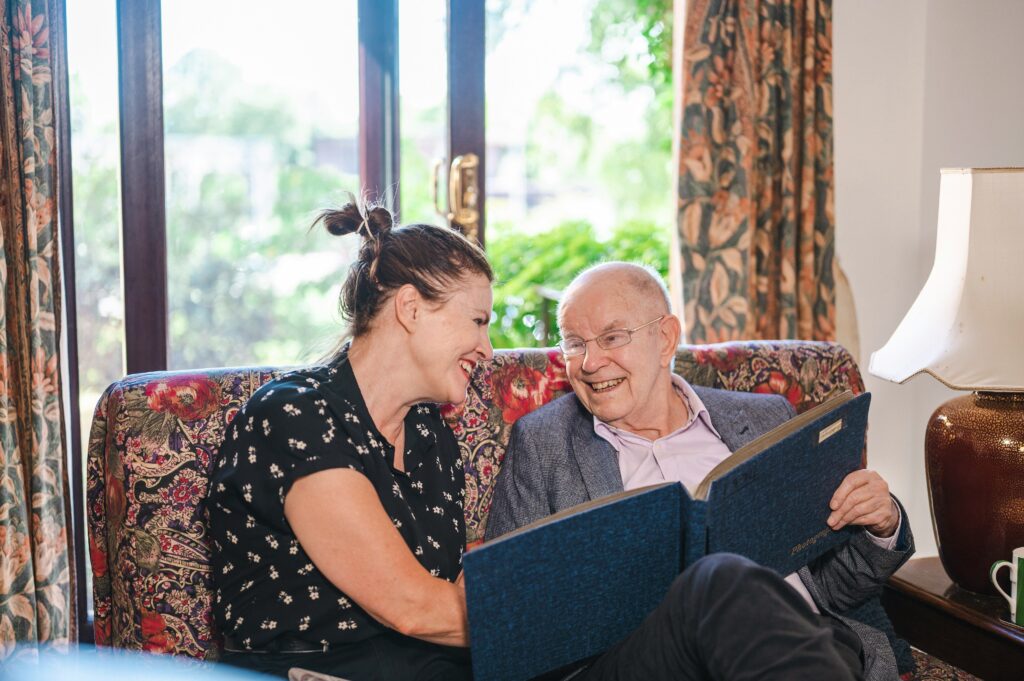
You can think of home care as any type of assistance that supports someone in their everyday life. This is non-medical care. No need for a doctor’s order. No specific diagnosis to qualify. To receive home care, all a client has to do is call a licensed home care provider, a caregiver arrives, and the caregiver is there to help the person get through their day more comfortably.
Later, we’ll discuss home care vs. hospice, but for now, you should understand home care to be a daily living service only. It has nothing to do with actual medical care.
Who Uses Home Care?
Seniors who decide to age in place often find a need for home care. So do adults with disabilities and people who’ve been discharged from the hospital and aren’t able to resume independent function.
Common Home Care Services
The most common home care services include:
- Personal care (bathing, dressing, grooming, etc.)
- Meal prep
- Companionship
- Social engagement
- Transportation
- Errand running
- Medication reminders
- Light housekeeping
What Is Home Health?
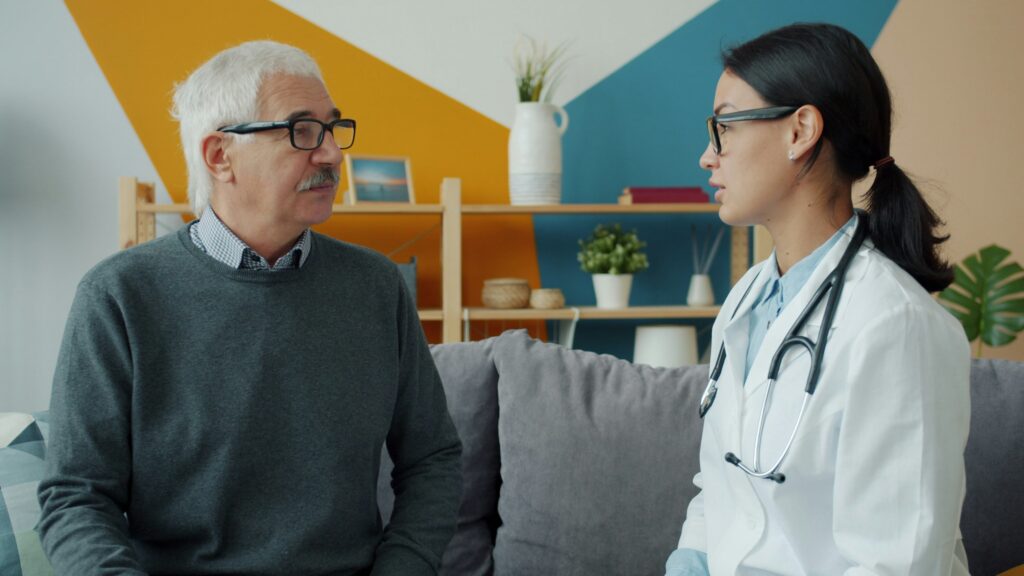
Home health is much like a clinic visit, except the medical team comes to the patient. There are still strict protocols in place. A physician has to sign off on it, and the people delivering care are medically licensed to do so.
Who Uses Home Health?
People who are recovering from an injury or illness, and are considered strictly homebound with limited mobility, are recommended home health services. It’s a big step above non-medical home care, delivering short-term, intermittent clinical care intended to help patients safely rehabilitate or stabilize.
So while home health and home care land on very different ends of the home care vs. hospice spectrum, the difference between them comes down to credentials and clinical authorization.
Common Home Health Services
Home health patients can expect to receive:
- Wound care and post-surgical monitoring
- Physical, occupational, or speech therapy
- IV therapy and medication management
- Nurse-administered injections
- Monitoring for conditions like diabetes or heart failure
What Is Hospice?
When mapping out home care vs. hospice, this is the defining shift: the goal is no longer treatment. It’s comfort, connection, and dignity.
Hospice involves care on a completely different level than both home health and home care. Because medical providers don’t need to focus on curing an ailment or managing a recovery, they are tasked with enriching someone’s end-of-life experience.
Who Uses Hospice?
Hospice is intended for those deemed terminally ill (those with an expected lifespan of 6 months or less) vs. home care, which has no medical constraints. Home health, on the other hand, is geared toward in-home care that is medically necessary.
Common Hospice Services
A team of physicians, nurses, social workers, chaplains, and trained volunteers may render these services during hospice:
- Pain and symptom management
- Personal care (similar to care received in home care)
- In-home medical equipment
- Emotional/spiritual counseling
- Grief services
Home Care vs. Home Health vs. Hospice: Key Differences to Know
At first glance, these care options may appear to overlap. And while they can be used in tandem, they differ significantly across eligibility, funding, and clinical intent. Check out the table below for a quick comparison to learn the difference between home care, hospice, and home health:
| Feature | Home Care | Home Health | Hospice |
| Purpose | Keep daily life manageable at home | Deliver skilled medical care in the home | Maximize comfort and quality of life |
| Service Offering | Bathing, meals, companionship, errands, medication reminders, light housekeeping | Wound care, PT/OT/speech therapy, IV treatment, injections, disease monitoring | Pain and symptom management, emotional and spiritual support, and family counseling |
| Doctor’s Order Required? | No | Yes | Yes |
| Eligibility | No diagnosis needed; available to anyone who needs support at home | Homebound status; tied to a specific condition or recovery plan | Terminal diagnosis with a life expectancy of six months or less |
| Insurance Coverage | Coverage for home care, vs. home health and hospice, varies by plan; often out-of-pocket or private pay | Often covered by Medicare/Medicaid when eligibility criteria are met | Generally covered by Medicare, Medicaid, or private insurance |
Ready to Enter the Home Care Industry?
Understanding the difference between home care, hospice, and home health is foundational for anyone considering a franchise in this space. It tells you who your clients are, what you’re actually providing, and exactly where your business fits in the care landscape.
The home care vs. hospice conversation uncovers a real need for those who don’t qualify for medical treatments in the home. If the 1Heart Caregiver Services franchise is on your radar, we’d love to talk. Reach out today to learn more about the opportunity and how to get started.
Frequently Asked Questions
Do I need a medical background to open a home care franchise?
Not at all. Because home care is non-medical care, you’ll just need to procure a state license, have CPR training, and undergo background checks. 1Heart Caregivers can help you remain compliant to operate a home care business.
Is home care a stronger franchise model vs. home health/hospice?
Home care operates with significantly less regulatory complexity than home health or hospice. That lower barrier makes it more accessible as a business entry point, plus the aging population is always in demand.
What does 1Heart Caregiver Services provide to franchisees that independent operators don’t get?
Franchisees get a dedicated consulting agent, accounting and staffing support, access to promotional opportunities, and more. You’re running your own business, but you’re not figuring it out alone.